
Haulix Car Transport helps customers explore interstate vehicle shipping for relocations, vehicle purchases, and long-distance moves. Request a quote based on your vehicle, pickup and delivery locations, and preferred schedule.
Moving a vehicle between states can involve more time and planning than arranging transportation within the same city. Long-distance driving may add mileage, fuel expenses, accommodation costs, and logistical challenges to an already busy relocation or vehicle purchase.
State-to-state auto transport offers an alternative by arranging for your vehicle to travel on a suitable transportation carrier. Haulix Car Transport helps customers explore interstate shipping arrangements based on the vehicle, route, timing, and transportation method.
Whether you are moving from Miami, Florida, to another state, purchasing a vehicle from a distant seller, or arranging delivery for someone else, understanding the shipping process can help you plan more confidently.
State-to-state auto transport is the movement of a vehicle from a pickup location in one U.S. state to a delivery location in another. A transportation carrier collects the vehicle and moves it along a planned route.
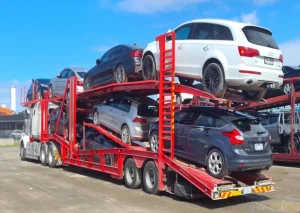
Customers can explore different service arrangements depending on their requirements. Open car transport is commonly used for standard vehicles, while enclosed transport may be preferred for classic, luxury, collectible, or specialty automobiles.
Door-to-door pickup and delivery may also be available when the addresses can accommodate the assigned carrier. The exact service depends on route coverage, equipment, access, and scheduling.
One potential advantage of interstate shipping is the opportunity to avoid driving the entire distance yourself. This can be useful when relocating for work, moving a household, buying a vehicle from another state, or coordinating a long-distance family move.
Shipping may also help reduce the additional mileage associated with a long drive. However, whether it is more economical than driving depends on the route, shipping quote, fuel costs, accommodation, time, and other expenses.
Another benefit is flexibility. Depending on the route and carrier availability, customers may be able to arrange transportation that fits into a broader moving or delivery schedule.
The first step is requesting a quote with accurate information. Provide the vehicle’s year, make, model, condition, pickup location, delivery location, and preferred shipping dates.
Next, review the quote and the written terms. Confirm the agreed transportation method, price, estimated pickup and delivery windows, payment schedule, cancellation policy, and applicable insurance arrangements.
Ask whether the business arranging the shipment is a broker or the actual motor carrier. If another company will physically transport the vehicle, make sure you understand how the carrier will be identified and contacted.
Once the shipment is confirmed, prepare the vehicle according to the carrier’s instructions. Remove personal belongings, secure loose items, disclose mechanical problems, and photograph the vehicle’s condition.
At pickup, review the inspection documentation and ensure existing damage is recorded. Keep your shipment details and provider contact information available during transit.
At delivery, inspect the vehicle carefully before signing the final paperwork. If you notice a discrepancy, document it and follow the applicable reporting process promptly.
There is no single price for every interstate shipment. Costs depend on several factors, including route distance, vehicle size and weight, transport method, seasonal demand, carrier capacity, pickup and delivery access, and scheduling flexibility.
A larger vehicle may require more trailer space. An inoperable vehicle may need special loading equipment. Enclosed transport generally costs more than open shipping because of differences in equipment and capacity.
For an accurate comparison, request quotes for the same route, vehicle, shipping dates, and service type. Confirm whether the quote is binding or an estimate and identify circumstances under which additional charges may apply.
Transit time depends on the distance, route, carrier schedule, weather, traffic, loading requirements, and other shipments handled along the way. Pickup and delivery may be offered as estimated windows rather than guaranteed appointments.
Provide flexible dates where possible, and ask how updates will be communicated if delays occur. If you are coordinating a move or vehicle handover, leave sufficient time for unexpected changes.
Haulix Car Transport helps customers in Miami, Florida, explore transportation options for eligible interstate shipments. By sharing accurate vehicle and route information, you can discuss the appropriate shipping method and review the relevant arrangements before booking.
Clear communication, written terms, suitable carrier equipment, and realistic scheduling expectations are important considerations when choosing an auto transport service.
Start planning your state-to-state shipment today. Contact Haulix Car Transport at (786) 840-3862 to discuss your route and request a vehicle shipping quote.
Find answers to some common questions about car shipping and vehicle transportation.
Car shipping costs depend on the pickup and delivery locations, vehicle size and condition, transport method, distance, seasonal demand, and requested schedule. Enclosed transport may cost more than open transport. Contact Haulix Car Transport at (786) 840-3862 for a quote based on your shipment details.
Open car transport moves vehicles on an exposed carrier and is a common option for everyday cars. Enclosed car transport uses a covered trailer that helps shield vehicles from weather and road debris. The best option depends on your vehicle and protection preferences.
Door-to-door auto transport involves pickup and delivery as close as reasonably possible to the specified addresses. Actual locations depend on road access, vehicle restrictions, safety considerations, and carrier availability. Alternative nearby meeting points may be necessary.
Transit time depends on the route, total distance, carrier schedule, weather, traffic, pickup arrangements, and other transportation conditions. Your estimated pickup and delivery window should be confirmed before booking, and it may change if unexpected delays occur.
Remove personal belongings and unnecessary accessories, clean the vehicle enough to document its condition, leave fuel at the level specified by your carrier, and take photographs before pickup. Report any mechanical issues and confirm instructions for keys, alarms, and vehicle access.